
Post-operative pain, migraine, lower back pain, osteoarthritis of the knee…
No one wants to live with daily pain. Louise has the skills and knowledge to treat both acute and chronic pain conditions using acupuncture and other Traditional Chinese Medicine treatment modalities. Given the right environment and the proper treatment, the body has a unique ability to return to a state of balance, enabling self-healing.
Acupuncture achieves its many effects through many very complex biological mechanisms, which were researched in this 2017 study.
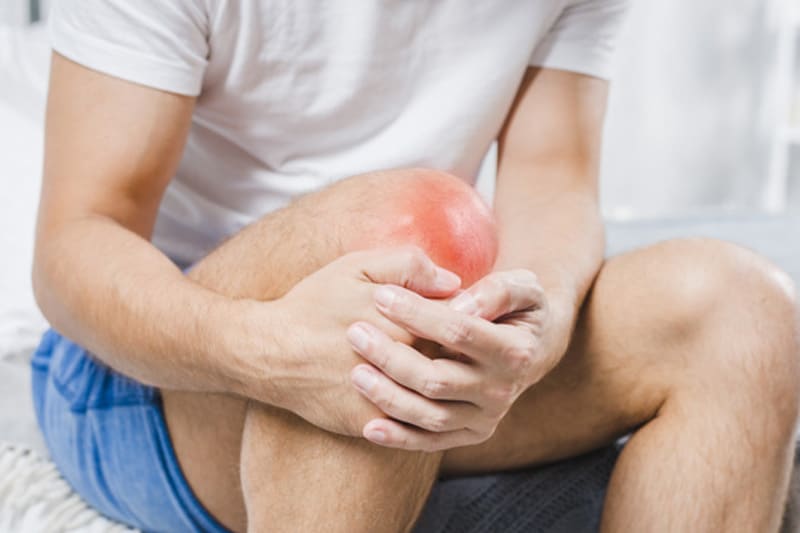
Acute pain
Acute pain is the body’s immediate response to soft tissue damage from sports, a twist, or everyday injuries such as a sprained ankle, a small muscle tear, or a sudden strain.
Typically, this pain settles once the injury heals, as inflammation subsides and tissue repair progresses. In addressing acute pain, Balance Acupuncture Brisbane combines precise acupuncture with practical, holistic strategies.
Depending on your state, I may also incorporate traditional therapies such as herbs, cupping, moxa, and Gua Sha. The goal is natural pain management that supports your recovery, reduces inflammation, and helps you regain movement as quickly and safely as possible.
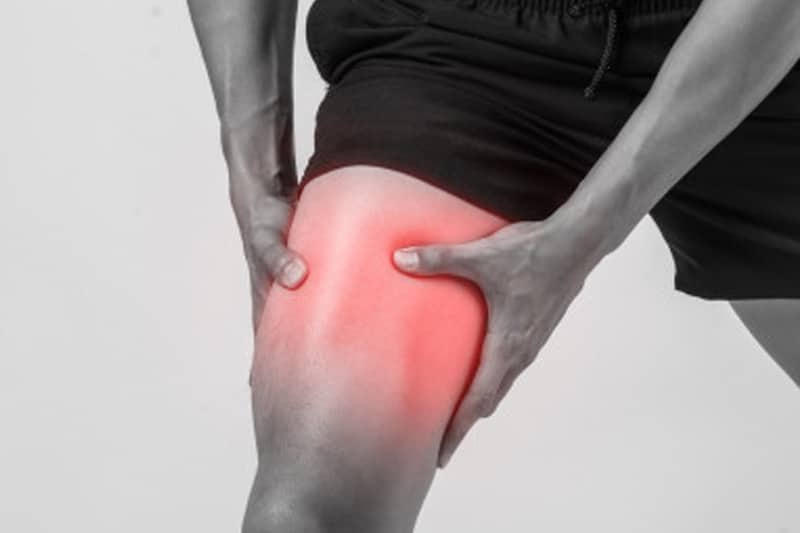
Chronic pain
Chronic pain can persist for months or years after the initial injury has healed, and it often involves changes in the brain and heightened sensitivity of the nervous system. Because it’s a complex picture, chronic pain typically requires a longer, more gradual course of care.
Acupuncture has a cumulative effect: over time, you may notice less intensity, improved function, and greater resilience.
At Balance Acupuncture Brisbane, our approach blends acupuncture with holistic pain management strategies—such as VNS (vagus nerve stimulation) when appropriate, moxa, cupping, and tailored lifestyle guidance—to support your whole system.
This collaboration aims to lessen your pain, reduce reliance on medications when possible, and improve your quality of life. There’s a growing body of evidence supporting acupuncture as a respected option for pain management, offering a natural, integrative path for those seeking holistic relief and sustainable results.
Pain Management References
Cao, L., et al. (2012). “Needle acupuncture for osteoarthritis of the knee. A systematic review and updated meta-analysis.” Saudi medical journal 33(5): 526-532.
Corbett, M., et al. (2013). “Acupuncture and other physical treatments for the relief of pain due to osteoarthritis of the knee: network meta-analysis.” Osteoarthritis and cartilage 21(9): 1290-1298.
Ezzo, J., et al. (2001). “Acupuncture for osteoarthritis of the knee: A systematic review.” Arthritis & Rheumatism 44(4): 819-825. Kim, Y.-K., et al. (2017). “What intrinsic factors influence responsiveness to acupuncture in pain?: a review of pre-clinical studies that used responder analysis.” BMC Complementary and Alternative Medicine 17(1): 281.
Li, Y.-X., et al. (2020). “Effectiveness and Safety of Acupuncture for Migraine: An Overview of Systematic Reviews.” Pain Research and Management 2020.
Sun, Y., et al. (2008). “Acupuncture and related techniques for postoperative pain: a systematic review of randomized controlled trials.” BJA: British Journal of Anaesthesia 101(2): 151-160.
Zhang, N., et al. (2020). “Systematic Review: Acupuncture vs Standard Pharmacological Therapy for Migraine Prevention.” Headache: The Journal of Head and Face Pain 60(2): 309-317.