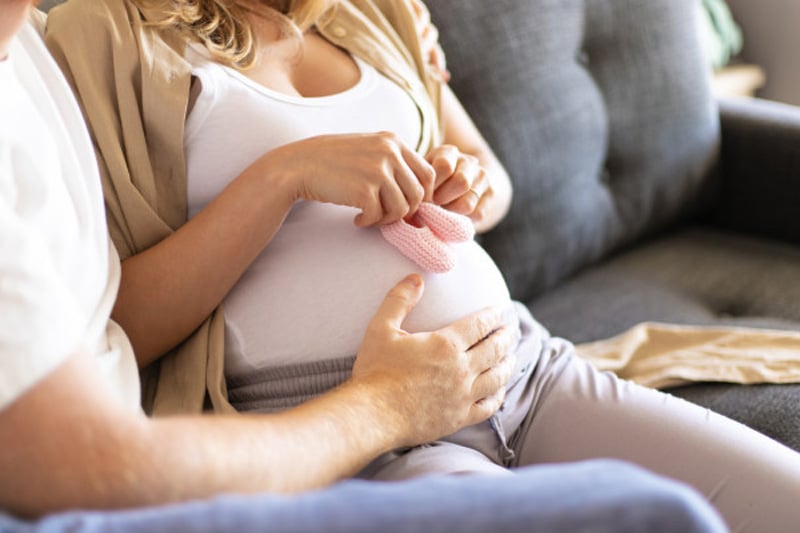
Treatment is provided by Louise Bennett, an AHPRA-registered acupuncturist with more than 20 years of acupuncture experience and a background spanning over 35 years in healthcare across acupuncture, nursing, and midwifery.
At Balance Acupuncture Brisbane, pregnancy acupuncture is provided as individualised, complementary care throughout all three trimesters. Treatment is adapted to the stage of pregnancy and the symptoms each woman is experiencing.
Acupuncture may be used as complementary care for common pregnancy symptoms including nausea, morning sickness, fatigue, headaches, back and pelvic discomfort, stress, and difficulty sleeping. Some women also seek acupuncture later in pregnancy as part of preparation for labour and birth.
Acupuncture is complementary healthcare. It does not replace your GP, midwife, obstetrician, or other maternity care.
Acupuncture Support Throughout Pregnancy
Pregnancy affects every woman differently.
Some women experience relatively few symptoms. Others deal with nausea, fatigue, headaches, pain, sleep difficulties, or emotional strain alongside the normal physical changes of pregnancy.
Rather than using the same treatment for every pregnant woman, Louise considers what you are experiencing and where you are in your pregnancy. Treatment is adjusted as symptoms change across each trimester.
Acupuncture may be used as complementary support for:
- Morning sickness and nausea
- Pregnancy-related fatigue
- Headaches
- Back pain
- Pelvic and muscular discomfort
- Sciatica
- Stress and difficulty relaxing
- Sleep difficulties
- General wellbeing during pregnancy
- Preparation for labour and birth
The purpose of treatment is not to promise that a particular symptom will disappear. The aim is to provide appropriate, individualised support while your body is undergoing significant change.
Acupuncture in the First Trimester
The first trimester can be an exciting but physically demanding period.
Even when pregnancy is progressing normally, the early weeks can bring significant changes in energy, appetite, digestion, sleep, and emotional well-being.
Louise commonly sees women seeking support for nausea, morning sickness, fatigue, and anxiety during this stage. Treatment during the first trimester is gentle and adapted specifically to early pregnancy.
Acupuncture for Morning Sickness and Nausea
Nausea and vomiting are common during early pregnancy, but that does not make them easy to manage.
For some women, nausea is mild and short-lived. For others, it can affect eating, drinking, work, sleep, and everyday activities.
Acupuncture may be used as complementary support for morning sickness and nausea in pregnancy [1].
If vomiting is severe, you cannot keep fluids down, you are losing weight, or you are concerned about dehydration, medical assessment is important.
For more detailed information, read our guide to acupuncture for morning sickness.
Pregnancy Fatigue
Fatigue is another common feature of early pregnancy.
The physical demands of pregnancy, hormonal changes, and disrupted sleep can all contribute to feeling exhausted.
Acupuncture may be used as part of supportive care where fatigue is affecting your wellbeing. Persistent or unusual fatigue should also be discussed with your maternity care provider, particularly when it is accompanied by other symptoms.
Acupuncture in the Second Trimester
For many women, the second trimester brings a change in symptoms.
Morning sickness may settle, while the physical demands of a growing pregnancy become more noticeable. Treatment during this stage may be less frequent unless a specific symptom requires additional support.
Depending on your individual circumstances, acupuncture may be considered for:
- Back discomfort
- Pelvic discomfort
- Headaches
- Sciatica
- Sleep difficulties
- Stress and tension
- General pregnancy wellbeing
The treatment plan is adjusted according to how you are feeling rather than following a fixed schedule for every pregnancy.
Acupuncture for Pregnancy Back Pain
As pregnancy progresses, changes in posture, movement, and weight distribution can place new demands on the body. Back pain can become particularly noticeable as the pregnancy develops.
Acupuncture may provide complementary support for some women experiencing pregnancy-related back pain, muscle tension, or discomfort. <sup>[2]</sup>
Treatment is adapted to pregnancy and your individual circumstances.
If back pain is severe, sudden, associated with trauma, accompanied by neurological symptoms, or otherwise concerning, medical assessment should take priority.
For more information, read our detailed guide to acupuncture for back pain.
Acupuncture for Pelvic and Muscular Discomfort
Pregnancy can change how the pelvis, hips, and surrounding muscles move and bear load. Some women experience pelvic girdle pain, hip discomfort, or muscular tension that makes walking, turning in bed, or getting through the working day more difficult.
Acupuncture may be considered as part of complementary care for pregnancy-related muscular and pelvic discomfort [2].
The cause of pain matters, particularly during pregnancy. Where appropriate, acupuncture can sit alongside assessment and treatment from your physiotherapist, GP, midwife, or obstetrician.
Acupuncture for Pregnancy Headaches
Headaches can occur during pregnancy for many reasons, including hormonal changes, sleep, hydration, stress, and other factors.
Acupuncture may be considered as complementary support for some pregnancy-related headaches.
However, a new, severe, or persistent headache during pregnancy should not simply be treated as a routine pregnancy symptom. Seek medical assessment promptly if a headache is severe, unusual for you, accompanied by visual changes, significant swelling, high blood pressure, neurological symptoms, or other concerning features.
Acupuncture in the Third Trimester
The third trimester brings another period of considerable physical change. As birth approaches, some women seek support for discomfort, sleep difficulties, and general wellbeing. Others begin thinking about labour preparation.
Treatment frequency may increase during this stage when appropriate, but there is no single schedule that applies to every woman.
Acupuncture for Labour Preparation
Some women choose acupuncture as part of their preparation for labour and birth [3].
The purpose is not to guarantee when labour will begin or to replace standard maternity care. Instead, treatment may be used as complementary support during the final weeks of pregnancy, taking into account the woman’s individual circumstances and stage of pregnancy.
If you are considering acupuncture for labour preparation, discuss this with your midwife or obstetrician as appropriate.
When Should You Start Birth Preparation Acupuncture?
There is no universal starting point.
Some women begin discussing birth preparation in the final weeks of pregnancy, while others have already been receiving acupuncture throughout their pregnancy. Louise can discuss the options with you based on your stage of pregnancy, health history, and maternity care.
Acupuncture and Breech Presentation
Breech presentation is another reason women sometimes seek acupuncture or moxibustion during pregnancy.
In Traditional Chinese Medicine, moxibustion at BL67 has historically been used for breech presentation. The current evidence for moxibustion as a method for changing breech presentation is inconclusive, and it should not be presented as a guaranteed method for turning a breech baby [4].
If your baby is breech, your midwife or obstetrician should remain central to your care and discuss the appropriate options with you. Balance Acupuncture Brisbane can provide complementary information and care where appropriate.
Is Acupuncture Safe During Pregnancy?
Safety is understandably one of the first questions women ask.
Acupuncture should be provided during pregnancy by an appropriately qualified and registered practitioner who understands the specific considerations involved in treating pregnant women. Louise’s background in both nursing and midwifery, together with more than 20 years of acupuncture experience, directly informs her approach to pregnancy care.
Treatment is adapted according to your stage of pregnancy, symptoms, and individual health circumstances.
It is important to tell Louise about your pregnancy, relevant medical conditions, medications, and any concerns raised by your maternity care team before treatment begins.
Acupuncture Points to Avoid During Pregnancy
You may find information online about specific acupuncture points described as points to avoid during pregnancy.
This is an area where online lists can be misleading, because treatment cannot safely be reduced to a simple list of avoided points. Point selection, technique, depth, timing, and the individual patient’s circumstances all matter.
For this reason, pregnancy acupuncture should always be provided by a practitioner who understands the specific considerations of treating pregnant women — not guided by a general list found online.
Your First Pregnancy Acupuncture Appointment
Your first appointment involves more than simply selecting acupuncture points. Louise takes time to understand your pregnancy and the symptoms you would like help with.
You may discuss:
- How far along you are
- Your pregnancy history
- Current symptoms
- Previous health conditions
- Medications and supplements
- Your maternity care
- Sleep and energy levels
- Stress and emotional wellbeing
- Any concerns about your pregnancy
This information helps Louise determine whether acupuncture is appropriate and develop an individualised treatment approach. Treatment is generally gentle, and many women find pregnancy acupuncture deeply relaxing.
Postpartum Acupuncture Support
The changes do not stop when the baby arrives.
The postpartum period can bring its own physical and emotional demands as the body recovers from pregnancy and birth and you adjust to caring for a newborn.
Some women continue acupuncture after birth as part of their broader wellbeing and recovery. Postpartum concerns may include:
- Physical recovery
- Muscular tension and pain
- Fatigue
- Sleep disruption
- Stress
- General wellbeing
Postpartum acupuncture is complementary care and does not replace assessment or treatment for postnatal medical or mental health conditions.
Postnatal Mental Health
Acupuncture is not a treatment for postnatal depression or postnatal anxiety.
If you are experiencing low mood, persistent anxiety, intrusive thoughts, or difficulty bonding with your baby after birth, please speak with your GP, midwife, or a qualified mental health professional promptly. Support is available, and seeking it early makes a meaningful difference [5].
Working Alongside Your Maternity Care Team
Acupuncture can sit comfortably alongside conventional maternity care.
Your GP, midwife, and obstetrician remain important members of your pregnancy care team, particularly if you have a medical condition, a pregnancy complication, or a concern that requires investigation.
Louise’s background in nursing and midwifery provides an appreciation of the importance of working within this broader healthcare picture. The goal is not to separate complementary care from conventional healthcare — it is to make sure that the care you receive is appropriate, informed, and focused on your well-being.
If you have questions about how acupuncture fits with your current maternity care, that is worth discussing at your first appointment. You may also find the Can I have acupuncture alongside my conventional medical treatment? section of our FAQ useful.
Pregnancy Acupuncture in Brisbane’s Eastern Suburbs
Balance Acupuncture Brisbane is located in Carina and sees patients from Brisbane’s eastern suburbs, including Carindale, Camp Hill, Coorparoo, Morningside, and Cannon Hill.
The important consideration is not simply proximity. Pregnancy care requires a practitioner who understands the changes occurring throughout pregnancy and knows when complementary care is appropriate and when medical assessment should take priority.
Frequently Asked Questions
Is acupuncture safe during pregnancy?
Acupuncture can be used during pregnancy when provided by an appropriately qualified and registered practitioner who understands pregnancy-specific considerations. Your individual health circumstances and stage of pregnancy should always be considered.
Can acupuncture help with morning sickness?
Acupuncture may provide complementary support for nausea and morning sickness during pregnancy. If vomiting is severe or you cannot keep fluids down, seek medical assessment promptly.
Can I have acupuncture in the first trimester?
Acupuncture may be used during the first trimester when appropriate. Treatment should be individualised according to your symptoms, health history, and stage of pregnancy, and provided by a practitioner experienced in pregnancy care.
Can acupuncture help with pregnancy back pain?
Acupuncture may provide complementary support for some women experiencing pregnancy-related back pain and muscular discomfort. Significant, sudden, or unusual pain during pregnancy should be medically assessed.
Can acupuncture help with headaches during pregnancy?
Acupuncture may be considered for some pregnancy-related headaches. However, a new, severe, or persistent headache during pregnancy should not be treated as a routine symptom. Seek medical assessment promptly if a headache is severe, unusual for you, or accompanied by visual changes, significant swelling, or other concerning symptoms.
Can acupuncture induce labour?
Acupuncture should not be presented as a guaranteed method of inducing labour. Some women seek acupuncture as part of labour preparation in the final weeks of pregnancy, but maternity care and advice from your midwife or obstetrician remain important.
Can acupuncture help turn a breech baby?
Moxibustion at BL67 has historically been used in Traditional Chinese Medicine for breech presentation, but modern evidence is inconclusive. If your baby is breech, discuss the situation with your midwife or obstetrician.
When should I start acupuncture for birth preparation?
There is no single starting point that applies to every pregnancy. Some women begin in the final weeks, while others have already been receiving acupuncture throughout pregnancy. Louise can discuss the appropriate approach based on your individual circumstances.
Can I have acupuncture after giving birth?
Yes. Some women continue acupuncture as part of postpartum wellbeing and physical recovery. Treatment is individualised according to your health and circumstances after birth. Acupuncture is not a treatment for postnatal depression — if you are experiencing postnatal mental health concerns, speak with your GP or midwife promptly.
Does acupuncture hurt during pregnancy?
Most people experience very little discomfort. Sensations are generally mild — warmth, heaviness, or a brief dull ache at the needle site — and many women find pregnancy acupuncture deeply relaxing.
Ready to Book?
If you are considering pregnancy acupuncture in Brisbane, Louise can discuss your stage of pregnancy, current symptoms, and maternity care before determining whether acupuncture is suitable for you.
Book an appointment or contact Balance Acupuncture Brisbane to discuss your care. No referral required.
For information about acupuncture support before pregnancy, visit our preconception care and acupuncture for fertility pages.
References
- Matthews A, Dowswell T, Haas DM, Doyle M, O’Mathúna DP. (2015). Interventions for nausea and vomiting in early pregnancy. Cochrane Database of Systematic Reviews, (9), CD007575. https://doi.org/10.1002/14651858.CD007575.pub4
- Ee CC, Mannan E, Pirotta MV, Da Costa C. (2008). Acupuncture for pelvic and back pain in pregnancy: A systematic review. American Journal of Obstetrics and Gynecology, 193(4), 1228–1237.
- Smith CA, Collins CT, Crowther CA. (2011). Acupuncture and acupressure for pain management in labour. Cochrane Database of Systematic Reviews, (7), CD009232. https://doi.org/10.1002/14651858.CD009232
- Vas J, Aranda JM, Nishishinya B, et al. (2009). Correction of nonvertex presentation with moxibustion: A systematic review and meta-analysis. American Journal of Obstetrics and Gynecology, 201(3), 241–259.
- Australian Government — Pregnancy Birth and Baby. Postnatal depression and anxiety. https://www.pregnancybirthbaby.org.au/postnatal-depression-and-anxiety
- RANZCOG — Royal Australian and New Zealand College of Obstetricians and Gynaecologists. https://www.ranzcog.edu.au